

Andrejus Byčkovas
One of the younger veterans of the Klaipėda criminal police, originally from the Pagėgiai area. He began his service in the border police, worked in Palanga and, from 2002, in the Organised Crime Investigation Service of the Klaipėda criminal police. He tells the story of his path into the police, his service and his life after it.
Still a man of the nineties
I am one of the younger veterans of the Klaipėda criminal police. I joined the veterans' club fairly young, but already with considerable experience of service and of life. It has always seemed to me that this experience could still be useful — not only to me, but to others as well.
I am what people call a man of the nineties. I come from the Pagėgiai area — a place that at the time was well known for the particularities of the border and for all kinds of smuggling-related activity. Perhaps it was precisely this environment, and an early understanding of the line between the lawful and the unlawful, that led me to choose the path of a police officer.
The start of my path into the police
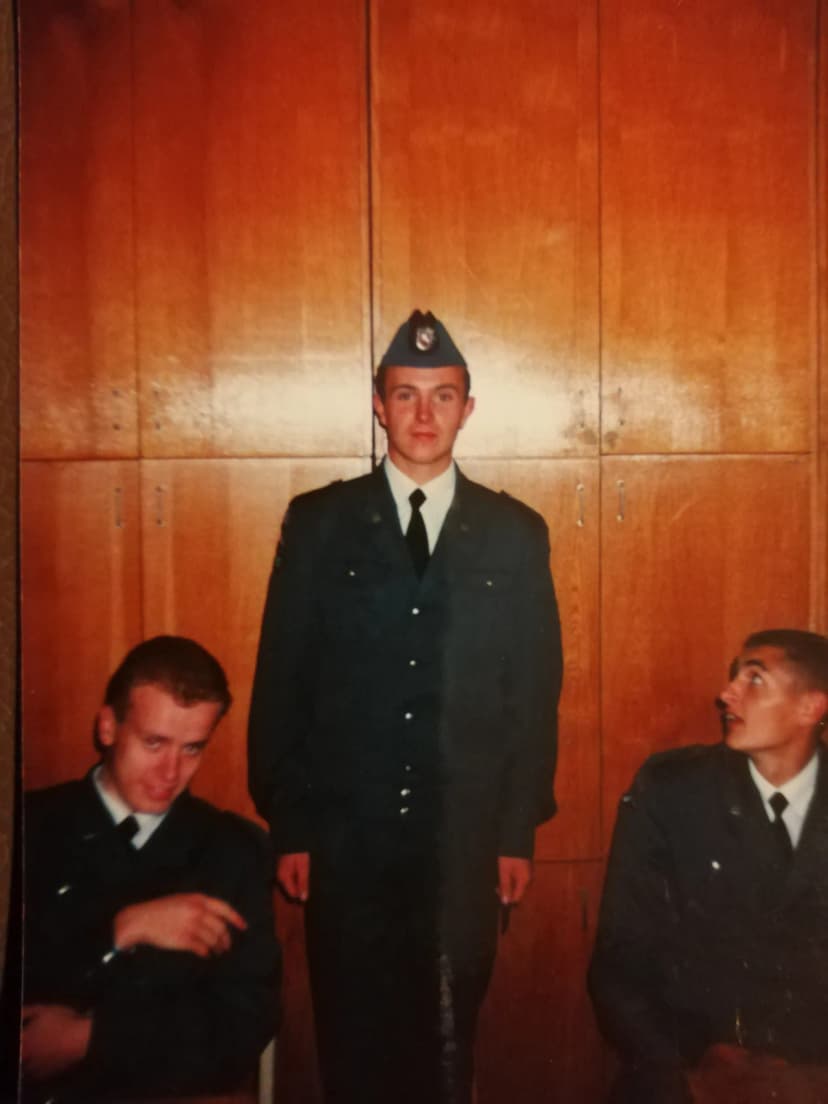
In 1995, after finishing school, I enrolled at the Lithuanian Police Academy. That is how my path in the police began.
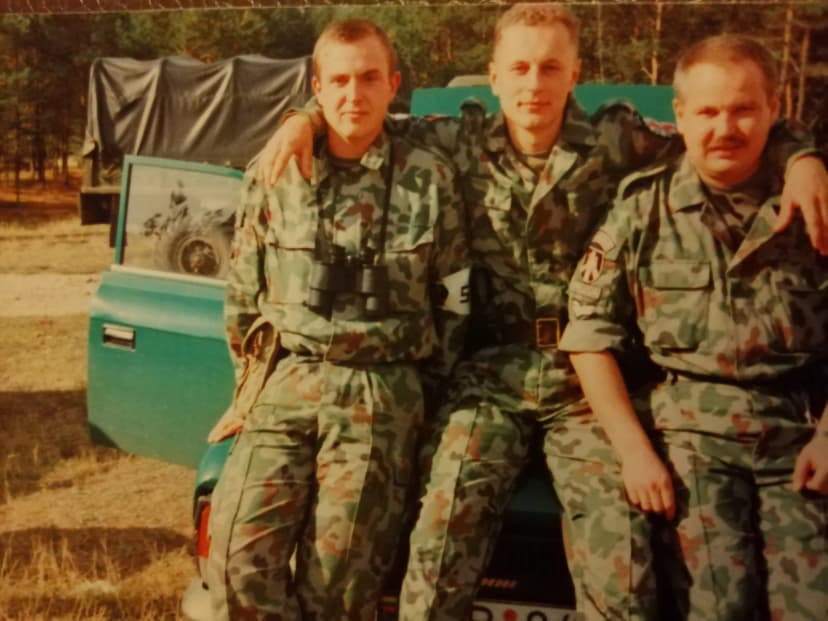
In 1996, having completed my first year, I began serving in the Pagėgiai Border Police Unit, at the Viešvilė post. Service on the border was a good practical school — there I encountered all kinds of situations and people.
In 1998 I returned to full-time studies at the Lithuanian University of Law. Study and service complemented each other — the theoretical knowledge I gained could be put into practice.
In 2000 I completed my bachelor's degree and started working at the Palanga City Police Commissariat as a junior criminal police inspector. Soon afterwards I began serving as an investigator.
Criminal police
In the spring of 2002 my professional path turned to Klaipėda. I began working in the Drug Control Division of the Organised Crime Investigation Service of the Criminal Police at the Klaipėda City Main Police Commissariat, as a senior inspector serving as an investigator.
At the time my direct superior was Sergejus Liamcevas. I remember what he told me:
“If you want a lot of work and little money, you've come to the right place.”
Back then it was said with a certain humour, yet at the same time it described the reality of criminal police work very accurately.
Sergejus Liamcevas was one of the people who shaped my professional path. At that time many experienced officers worked in the criminal police, and from them one could learn not only the professional side of the job, but also responsibility, integrity and the ability to make decisions in difficult situations.
I worked in the Organised Crime Investigation Service until I left the service. It was an important stage of my life and my career.
Years of service and the people
Police service was not only duties, paperwork and investigations. Above all, it was people.
Over the years of service I met many colleagues, superiors and others who in one way or another contributed to my professional path. Some of them are still my friends today.
While working in the criminal police I tried to improve my qualifications and to share the knowledge I had gained. I taught various courses at the former Klaipėda Police School and supervised students' diploma theses at the College of Social Sciences, which at the time was also known as N. Skučienė's College.
I believe that in a police officer's profession learning never ends. Experience alone is not enough — it has to be constantly supplemented with new knowledge, and one has to be able to pass it on to others.
Leaving the service — a new stage of life
My service in the police ended on 31 March 2012. I did not retire by my own choice — the decision was determined by the conclusion of the Central Medical Expert Commission.
It was a major change in my life. After many years of service, the familiar working environment, colleagues and daily rhythm were suddenly gone.
Over time, however, I came to understand that the end of service does not mean the end of activity. A person leaves their post, but the experience, knowledge and life lessons they have gathered remain.
I believe that the experience of former officers can be useful to younger colleagues. Every generation has its own times, its own challenges and its own working methods. Yet the experience of earlier generations can help us better understand where our profession comes from and what values it has carried with it.
Life after service
After leaving the police, I did not simply settle into the life of a pensioner.
After my service I worked for about ten more years as the head of a private company. I also was, and still am, chairman of an apartment building owners' association. This work gave me new experience and a close look at a completely different kind of responsibility and of dealing with people.
Although I no longer wore a police uniform, the knowledge gained during my service did not go anywhere. The ability to analyse a situation, communicate with people, look for solutions and take responsibility comes in handy in everyday life too.
After my service I was also encouraged by colleagues to get involved in politics, and I became a candidate for the Seimas of the Republic of Lithuania. I did not stay in active politics for long, but this stage of life, too, has remained part of my experience.
The veterans' club — people who stayed together
Police service ended, but the ties between people did not disappear.
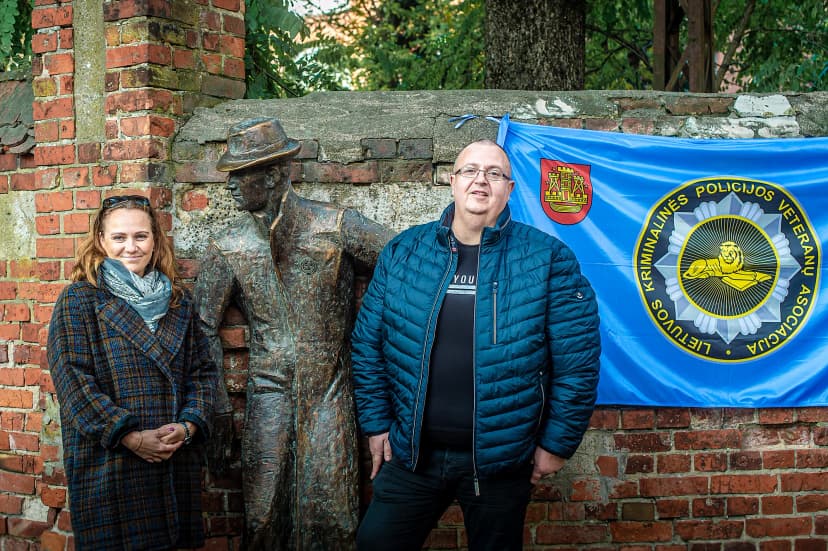
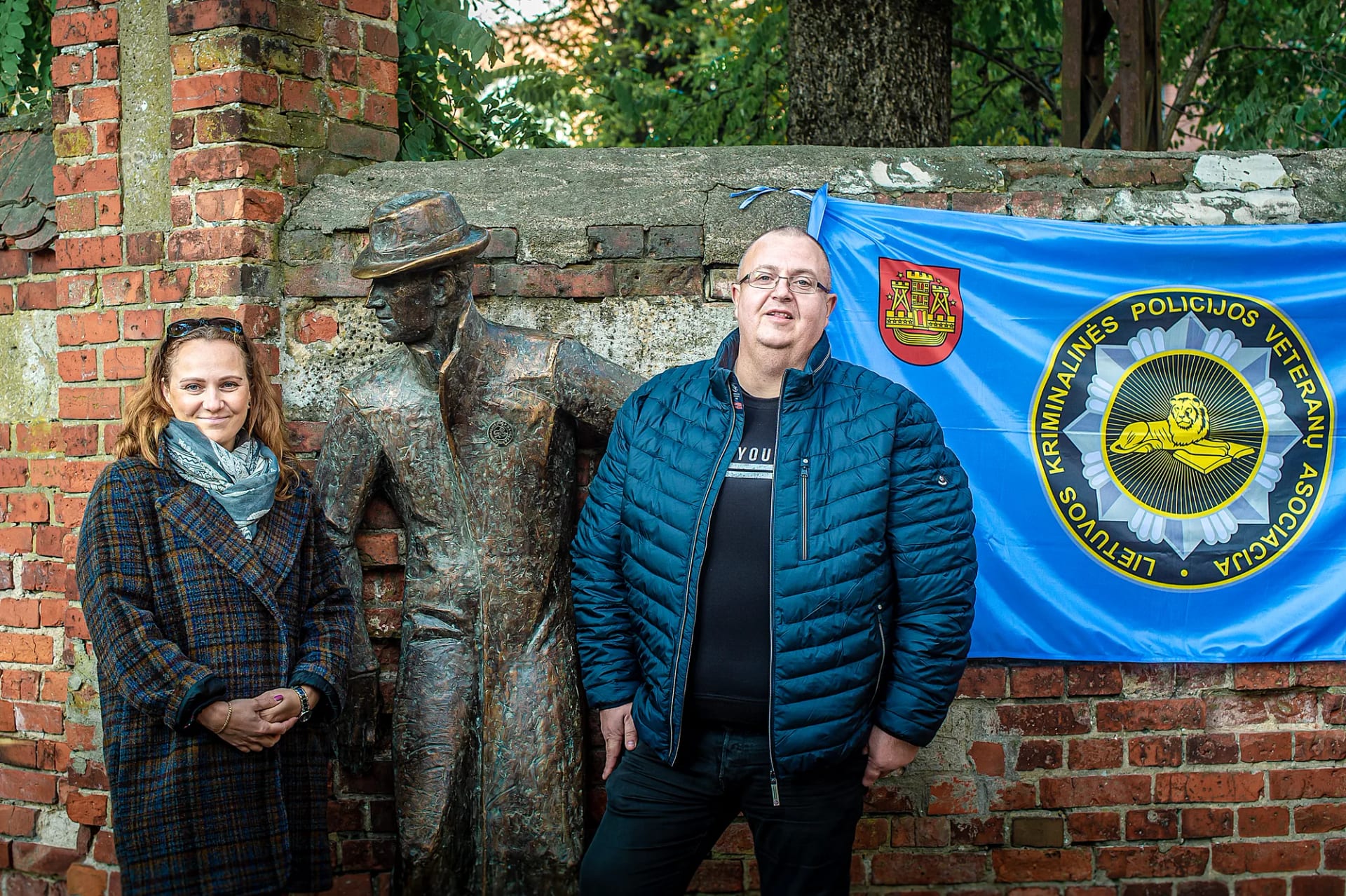
I still meet many former colleagues today. With some we keep in closer touch, with others we meet through the veterans' club.
For me the veterans' club is more than an organisation. It is people with whom I share a stage of life, a common service and countless memories.
Sometimes the most important thing for a person is to know that there are people nearby to whom you don't need to explain at length what a certain period of service meant. They understand it from their own experience.
I believe that the veterans' club can be a place where we not only remember the past, but also spend time together, share experience, help one another and keep the link between different generations of officers.
A path that continues
Looking back, I see more than positions or years of service. I see people and stages of life — Pagėgiai, the border, my studies, Palanga, the criminal police, colleagues, teaching, life after service and today's veterans' club.
All of this is one story — the story of my life.
Police service has ended, but life goes on. And with it remain experience, people, memories and the chance to be useful to others through one's knowledge.
I believe this is one of the most important reasons why it is worth staying in touch with former colleagues and not forgetting the path we shared. The past is part of our lives, but what matters most is what we take from it into today and what we can pass on to the generations to come.
Information
- Published:September 24, 2026
- Section:Veterans Today
Photos